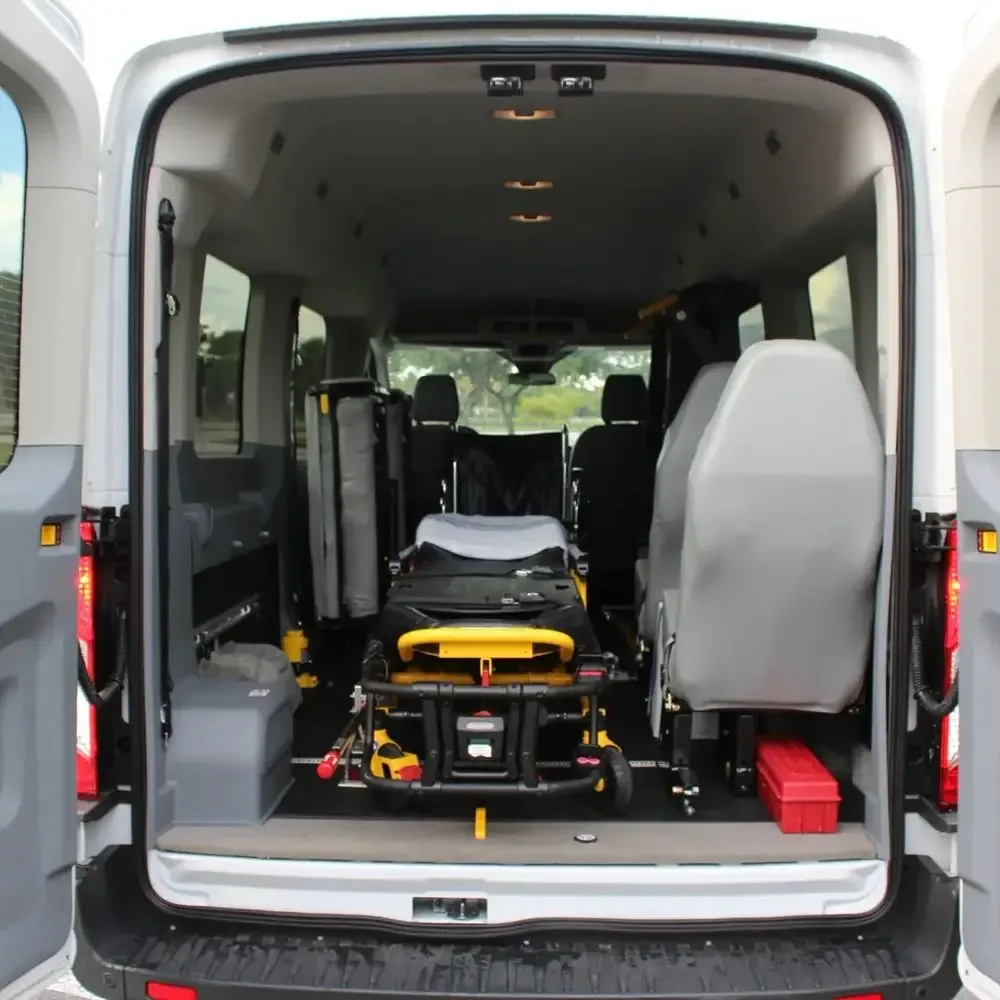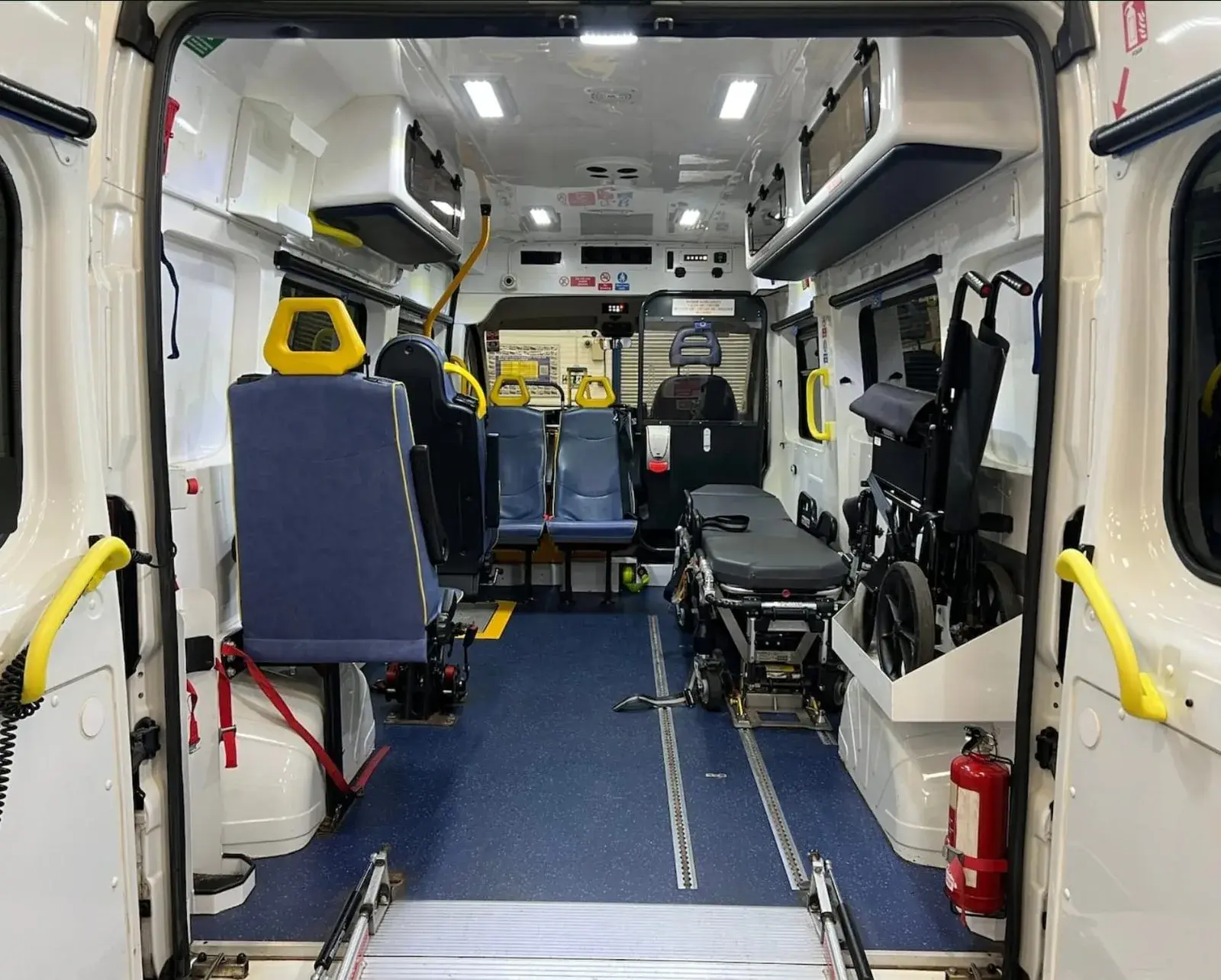
A long-distance patient transfer might be a move from a hospital in one region to a hospital or care home in another, or a patient returning home after treatment far from where they live. Done well, it is safe and comfortable. This guide explains how it works.
Step 1: Decide the level of care
Think about whether the patient can sit in a wheelchair seat, must lie on a stretcher, needs oxygen or monitoring, or needs bariatric equipment. This decides the vehicle and crew. If you are unsure, ask the clinical team to confirm.
Step 2: Gather the journey details
- Pickup and destination addresses with postcodes
- Date and time, and the latest arrival time at the destination
- Whether the journey is one way, wait and return, or a return on another day
- Mobility needs, weight, medication, oxygen and infection information
- Any DNACPR or ReSPECT paperwork that must travel with the patient
Step 3: Plan the journey
For long distances, a good provider plans comfort breaks, hydration, medication timing and a realistic arrival time. Ask who will be in the vehicle and whether a second crew member is needed.
Step 4: Agree the price in writing
Long journeys cost more because of crew time and fuel, so ask for a clear written quote. Read how prices are built in how much does a private ambulance cost in the UK.
Step 5: Hand over safely
The crew should meet the receiving team, hand over paperwork and make sure the patient is settled before leaving.
Where we travel
We arrange journeys across England, Scotland, Wales and Northern Ireland by arrangement. See our coverage, for example London, the North West and Scotland.