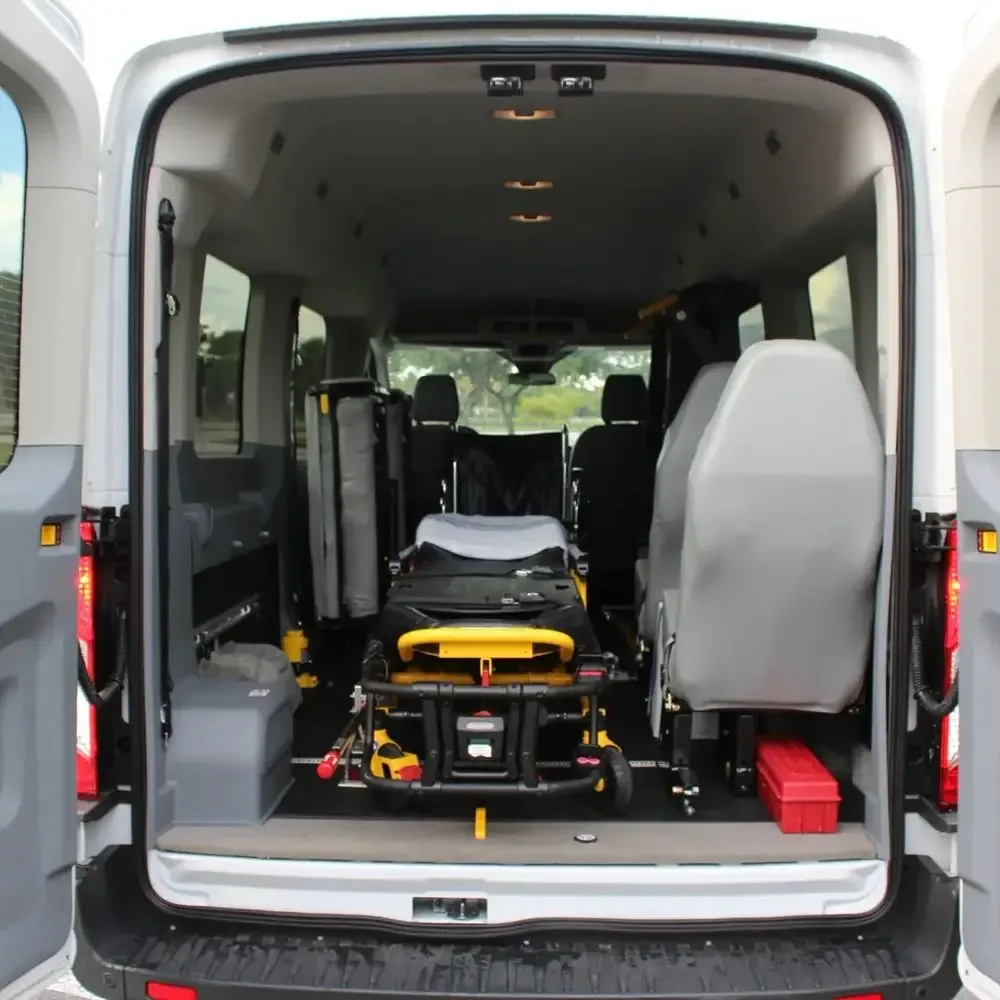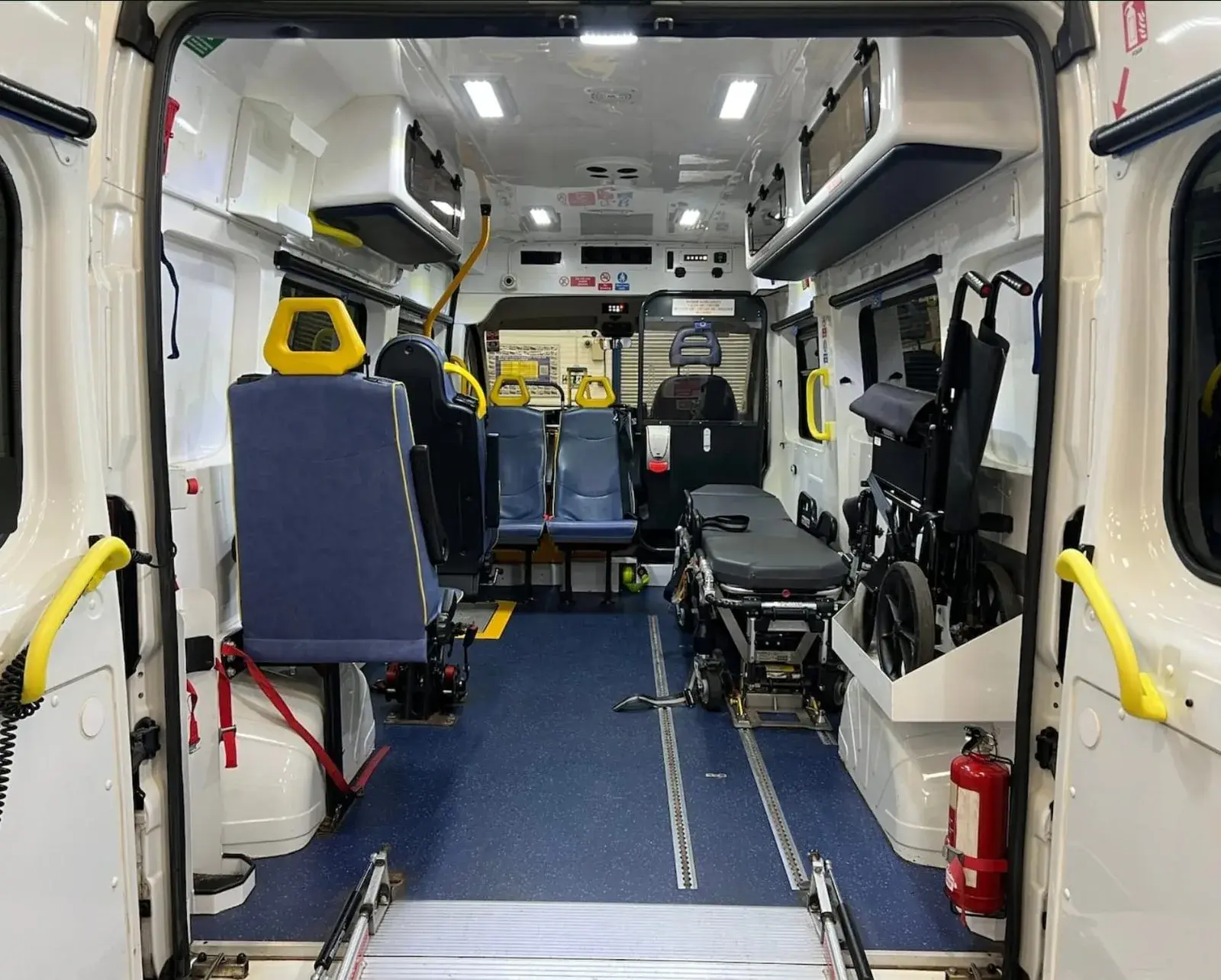
Arranging transport for a loved one who cannot travel independently can be stressful, particularly when they are being discharged from hospital, attending a medical appointment or travelling between healthcare facilities. Finding a suitable, comfortable and reliable transport service can make the journey easier for both the patient and their family.
Private patient transport services provide a practical option for people who need assistance travelling but do not require an emergency ambulance. Whether you are looking for wheelchair transport, a stretcher ambulance service or transport home from hospital, understanding the available options can help you make the right decision.
At Westron Care Ambulance, we provide non-emergency patient transport solutions designed around individual mobility requirements, comfort and safe journey planning. Based in Walsall, we serve customers across the West Midlands and can accommodate journeys beyond the region, subject to availability and the patient's transport requirements.
What Is Private Patient Transport?
Private patient transport is a pre-arranged service that helps people travel to and from healthcare appointments, hospitals, residential care facilities and other destinations when ordinary transport may not be suitable.
Unlike an emergency ambulance responding to an urgent medical emergency, non-emergency patient transport is generally arranged in advance for planned journeys.
A private patient transport service may be suitable for:
• Patients being discharged from hospital who need assistance getting home.\
• People attending outpatient appointments, consultations or planned treatments.\
• Wheelchair users who require an accessible vehicle.\
• Patients who need to travel lying down using a stretcher.\
• Older people who need additional assistance during their journey.\
• People with physical disabilities or reduced mobility.\
• Care home residents travelling to medical appointments or between facilities.\
• Patients requiring planned transfers between hospitals or other healthcare settings.
The most suitable transport option depends on the person's mobility, ability to transfer into a vehicle, medical needs and the level of assistance required.
Important: Private non-emergency patient transport is not a substitute for emergency medical services. If someone experiences a medical emergency, call 999.
Step 1: Identify Your Loved One's Transport Requirements
Before booking patient transport, consider what your relative can comfortably and safely manage during the journey.
This is one of the most important steps because not every patient can travel in a standard car or wheelchair-accessible taxi.
Wheelchair-Accessible Transport
If your loved one uses a wheelchair and cannot transfer into an ordinary vehicle seat, you may need a wheelchair-accessible transport service.
When arranging wheelchair transport to hospital or another destination, consider:
• The wheelchair's overall width, including its wheels.\
• Whether the wheelchair user will remain seated in their own wheelchair during the journey.\
• The vehicle's available space and access arrangements.\
• Whether assistance is required when boarding and leaving the vehicle.\
• Whether the wheelchair and passenger can be secured appropriately.
Providing accurate wheelchair dimensions and information about the passenger's mobility helps the transport provider determine whether the vehicle is suitable.
Stretcher and Bed-Bound Patient Transport
Some patients cannot sit upright for the duration of a journey or are unable to transfer into a vehicle seat. In these circumstances, a stretcher ambulance service may be more appropriate.
When requesting private stretcher transport, explain whether the patient:
• Must remain lying down throughout the journey.\
• Requires assistance from a two-person crew or additional personnel.\
• Has difficulty being moved from a bed to a stretcher.\
• Needs assistance negotiating stairs or narrow access points.\
• Has any specific positioning, mobility or handling requirements.
Transport for bed-bound patients may require additional planning, suitable equipment and an assessment of access at both the collection and destination addresses.
Always disclose relevant mobility and handling requirements before confirming a booking.
Step 2: Choose the Right Type of Patient Transport
Once you understand your relative's needs, you can compare the available transport options.
Private Ambulance Service
A private ambulance service may be suitable for planned patient transfers requiring a stretcher, an appropriately configured vehicle or a particular level of assistance. Suitability depends on the patient's condition and the provider's capabilities.
Wheelchair Transport
Wheelchair transport is suitable for passengers who need an accessible vehicle and can travel securely in their wheelchair, subject to the vehicle's specifications and the passenger's requirements.
Hospital Discharge Transport
Hospital discharge transport helps patients travel from hospital to their home, care home or another appropriate destination when ordinary transport is unsuitable.
Hospital-to-Hospital Transfers
These are pre-arranged journeys for patients travelling between healthcare facilities, subject to their needs and the provider's capabilities.
Long-Distance Patient Transport
Long-distance patient transport may be appropriate when a patient needs to travel between towns, cities or regions for a planned transfer, treatment or discharge.
If you are unsure which service is appropriate, describe the patient's needs to the provider before booking. A responsible provider should ask relevant questions rather than assume that one vehicle or service will suit everyone.
Step 3: Arrange Hospital Discharge Transport in Advance
Hospital discharge can be a challenging time for families. A patient may be medically ready to leave hospital but still need assistance getting home because they cannot walk independently, require a wheelchair or need to travel lying down.
If you are arranging transport home from hospital, contact a private patient transport provider as early as possible.
You should be prepared to provide:
• The patient's name and contact details, where appropriate.\
• The hospital or ward from which the patient will be collected.\
• The full destination address.\
• The expected discharge date and collection time.\
• Whether the patient uses a wheelchair, requires a stretcher or can sit in a vehicle seat.\
• Information about stairs, lifts, narrow entrances or other access difficulties.\
• The level of assistance needed at collection and arrival.\
• Any relevant medical or mobility considerations that affect transport suitability.
Where necessary, coordinate the booking with the hospital discharge team or ward staff.
Do not assume that booking a vehicle alone guarantees that a patient can be safely transferred from their hospital bed to the vehicle and then into their home. These arrangements may require separate handling assistance, equipment or a more detailed assessment.
Step 4: Check the Cost of Private Patient Transport
One of the most common questions families ask is: How much does private patient transport cost?
There is no single price for every journey. The cost of a private ambulance service or non-emergency patient transport booking may depend on several factors, including:
• The distance between the collection and destination addresses.\
• The type of vehicle required.\
• Whether the passenger needs wheelchair or stretcher transport.\
• The number of crew members required.\
• The level of assistance needed when moving the passenger.\
• Whether stairs or difficult access arrangements are involved.\
• Waiting time, return journeys or additional stops.\
• The date, time and duration of the booking.
For example, a straightforward wheelchair journey may have different requirements from a long-distance stretcher transfer involving a two-person crew and assistance with access at both ends.
When requesting a quotation, provide as much information as possible. This helps the provider assess the journey accurately and reduces the likelihood of unexpected changes to the arrangements.
At Westron Care Ambulance, families and organisations can enquire about their transport requirements so that the journey can be assessed and an appropriate quotation provided.
Step 5: Choose a Reliable Patient Transport Provider
When searching online for patient transport near me, private ambulance near me or wheelchair transport near me, you may find a range of transport companies. It is important to look beyond price alone.
Before making a booking, consider the following.
Vehicle Suitability
Ask whether the vehicle is appropriate for the passenger's mobility needs. For wheelchair transport, this includes checking access, dimensions and the arrangements for securing the wheelchair. For stretcher transfers, confirm that the vehicle and equipment are suitable for the intended journey.
Staff Training and Assistance
Ask what assistance the crew can provide and whether their training and experience are appropriate for the passenger's needs.
Registration and Regulatory Requirements
Where a service falls within the scope of healthcare regulation, check the provider's relevant registration and the services covered. Requirements depend on the nature of the service and the activities undertaken.
Booking Confirmation
Obtain confirmation of the collection arrangements, destination, agreed price, crew requirements and any important instructions before the journey.
Communication
A reliable provider should explain what information is required, identify potential access issues and communicate clearly if arrangements need to change.
These checks can help families make an informed decision and select a provider whose service matches the patient's requirements.
Step 6: Prepare for the Journey
Once the booking is confirmed, a little preparation can help the day run more smoothly.
Before collection:
1. Confirm the collection address, destination and agreed time.
2. Ensure the patient is ready for collection, subject to hospital discharge arrangements.
3. Provide any relevant access instructions, including door codes, parking restrictions and details of stairs or lifts.
4. Have essential personal belongings and any necessary paperwork ready.
5. Inform the provider promptly if the patient's mobility or condition changes.
6. Confirm whether a relative or escort can accompany the patient and whether seating is available.
If your loved one has specific medical needs, make sure these have been discussed with the provider in advance. Do not assume that a standard non-emergency transport booking includes nursing care, clinical monitoring or medical treatment.
Why Families Choose Westron Care Ambulance
At Westron Care Ambulance, we understand that arranging transport for a loved one involves more than simply getting from one address to another. Families want a service that considers the passenger's mobility, dignity, comfort and individual requirements.
We provide private non-emergency patient transport solutions, including wheelchair-accessible journeys and stretcher transport, subject to assessment and availability.
Our approach focuses on:
Individual Journey Planning: Understanding the passenger's mobility and access requirements before confirming the booking.
Appropriate Vehicles: Using vehicles selected for the agreed transport requirements.
Safe Transport Arrangements: Considering wheelchair securement, boarding arrangements and relevant handling requirements.
Clear Communication: Helping families understand what information is needed to plan the journey.
Flexible Journey Enquiries: Considering local journeys within Walsall and the West Midlands, as well as suitable journeys elsewhere in the UK.
Our aim is to make arranging non-emergency patient transport more straightforward for families, carers and organisations.
Where Does Westron Care Provide Patient Transport?
Westron Care Ambulance is based in Walsall and focuses on serving customers throughout the West Midlands, including Birmingham, Wolverhampton, West Bromwich, Dudley and surrounding areas.
We can also consider longer-distance patient transport and journeys elsewhere in the UK, depending on availability, the passenger's needs and the journey requirements.
Whether you are searching for private patient transport in Walsall, wheelchair transport in Birmingham or a planned stretcher transfer between hospitals, contact us with your requirements to discuss the available options.
Frequently Asked Questions About Private Patient Transport
How Do I Arrange Private Patient Transport?
Contact a provider with the collection and destination addresses, preferred date and time, passenger's mobility requirements and details of any assistance needed. The provider can then assess the journey and advise on suitability and cost.
Can I Book Private Transport for a Relative Coming Home from Hospital?
Yes, you can enquire about private hospital discharge transport. Tell the provider where the patient will be collected, where they are going and whether they need wheelchair, stretcher or other assistance.
Can a Wheelchair User Travel in a Private Ambulance?
This depends on the vehicle configuration, wheelchair dimensions and the passenger's requirements. Confirm that the vehicle can accommodate the wheelchair and that suitable securement arrangements are available.
What If My Relative Cannot Sit Upright?
Explain this to the provider before booking. A stretcher ambulance service may be more appropriate, but the patient's condition, positioning requirements and level of assistance must be assessed.
How Much Does a Private Ambulance Cost in the UK?
Prices vary according to distance, vehicle type, crew requirements, handling assistance, access arrangements and waiting time. Request an individual quotation based on the full details of the journey.
Can I Arrange Long-Distance Patient Transport?
Long-distance patient transport may be available for planned journeys between towns, cities or regions. The provider will need to establish whether the journey is suitable for the passenger and confirm availability and costs.
Can I Arrange Patient Transport for an Elderly Relative?
Yes. Depending on their mobility, an older person may be able to travel using wheelchair-accessible transport, a suitable passenger vehicle or a stretcher service. The correct option depends on their individual needs.
Is Private Patient Transport the Same as an Emergency Ambulance?
No. Private non-emergency patient transport is generally pre-booked for planned journeys. It is not a replacement for emergency ambulance services. In a medical emergency, call 999.
Arrange Your Patient Transport with Westron Care
If you need to arrange transport for a relative, a care home resident or someone who requires assistance travelling to a healthcare appointment, Westron Care Ambulance is here to help you discuss your requirements.
Whether you need wheelchair transport, stretcher transport, hospital discharge transport or a planned patient transfer, providing accurate information at the outset helps us assess the journey and advise on the most appropriate arrangements.
Contact Westron Care Ambulance today to enquire about your journey and request a quotation.
Website: [https://westroncareltd.co.uk/](https://westroncareltd.co.uk/)
Make an Enquiry: [https://westroncareltd.co.uk/book/](https://westroncareltd.co.uk/needs-assessment
Westron Care Ambulance — Supporting planned patient journeys with care, comfort and consideration.

Written by the Westron Care Team
Westron Care is a CQC-registered provider of private, non-emergency patient transport across the whole of the UK. This guide is general information, not medical advice. For emergencies call 999.